Buy tyj.eu ?
We are moving the project
tyj.eu .
Are you interested in purchasing the domain
tyj.eu ?
domain@kv-gmbh.de · 0541-91531010
Buy tyj.eu ?
Is there a timer for mindfulness training, meditation, yoga, and spirituality?
There is no set timer for mindfulness training, meditation, yoga, and spirituality as it varies from person to person. Some people may find it helpful to start with short sessions, such as 5-10 minutes, and gradually increase the duration as they become more comfortable. Others may prefer longer sessions right from the start. It's important to listen to your body and mind and find a timing that works best for you. The key is to be consistent and make it a regular practice in your daily routine. **
Who is eating our tulip bulbs?
It is likely that squirrels or rabbits are eating your tulip bulbs. These animals are known to dig up and consume bulbs, especially during the fall and winter months when food sources are scarce. To prevent further damage, you can try using physical barriers or repellents to deter these animals from accessing your garden. **

Similar search terms for Tulip
Top-Angebote
Products related to Tulip:
-
Obsessive Luiza - Tulip Thong (Black)Simple-looking women's thong brought to life with sensual back flower embroidery! Why it's great:high qualitysexy transparent materialcomfortable inner liningflexible and comfortablelace tulip decoration on the backthong styleKeep in mind: hand wash only, with gentle detergentdo not iron, do not bleachProduct specifications and features: premium Obsessive qualitystretchy materialembroidered lace decoration on the backtransparent mesh material on the frontelastic strapsthong stylecolor: blackmaterial: 94% Polyamide, 6% Elastane User manual10,21 £*Shipping: 6,10 £Secure redirect to the provider
-
HCD Tulip Chair Armless ChairExperience exceptional design and quality at an unbeatable price with our versatile chair. Crafted from durable materials, this chair offers both elegance and practicality, making it suitable for both residential and commercial use.408,49 $*Shipping: 0,00 $Secure redirect to the provider



-
Why do tulip leaves change color?
Tulip leaves change color as part of their natural growth and development process. As the tulip plant matures, the chlorophyll in the leaves breaks down, causing the green color to fade and other pigments to become more visible. This change in color is also influenced by environmental factors such as temperature, sunlight, and soil nutrients. Additionally, certain tulip varieties may naturally exhibit different leaf colors as they grow. **
-
Are tulip leaves poisonous to cats?
Yes, tulip leaves are toxic to cats. All parts of the tulip plant, including the leaves, stem, and bulb, contain toxins called tulipalin A and B, which can cause vomiting, diarrhea, drooling, and in some cases, more severe symptoms such as difficulty breathing and increased heart rate in cats. It's important to keep tulip plants out of reach of cats and seek veterinary attention if you suspect your cat has ingested any part of the plant. **
-
How do you mix tulip directions?
To mix tulip directions in a garden or floral arrangement, you can create a dynamic and visually appealing display by combining tulips of different varieties and colors that face different directions. For example, you can plant or arrange tulips that face upwards, outwards, or downwards to add depth and interest to the overall design. Mixing tulip directions can create a more natural and organic look, mimicking how tulips grow in nature. Experimenting with different combinations of tulip directions can help create a unique and beautiful display that showcases the diversity of these stunning flowers. **
-
Is the tulip a seed plant?
Yes, the tulip is a seed plant. Tulips reproduce by producing seeds, which are contained within the flower's ovary. Once the seeds are mature, they can be collected and planted to grow new tulip plants. Therefore, the tulip is a seed plant that reproduces through the production of seeds. **


How can one replicate a Tulip Chair?
Replicating a Tulip Chair involves studying the original design and materials used in its construction. One can start by researching the dimensions, shape, and materials of the chair. It is important to pay attention to details such as the curved lines of the seat and base, as well as the cushioning and upholstery. Additionally, finding a skilled craftsman or manufacturer who can accurately replicate the chair is essential to achieving a high-quality reproduction. **
How can one recreate a Tulip Chair?
To recreate a Tulip Chair, one would need to follow these steps: 1. Obtain the necessary materials: The Tulip Chair was originally designed by Eero Saarinen in the 1950s and features a molded fiberglass or plastic seat mounted on a single stem-like pedestal base. To recreate this chair, one would need to find a similar molded seat and a metal or plastic base that mimics the shape of the original design. 2. Assemble the chair: Once the materials are obtained, the seat should be securely attached to the base using appropriate hardware. The base should be strong and stable enough to support the weight of the seat and the person sitting in it. 3. Finish the chair: The Tulip Chair typically has a smooth, glossy finish. To recreate this look, one could paint the seat and base with a high-gloss paint in a color of their choice. Alternatively, one could also choose to leave the materials in their natural state for a more minimalist look. By following these steps and paying attention to the details of the original design, one can recreate a Tulip Chair that closely resembles the iconic mid-century modern piece. **
Top-Angebote
Products related to Tulip:
-
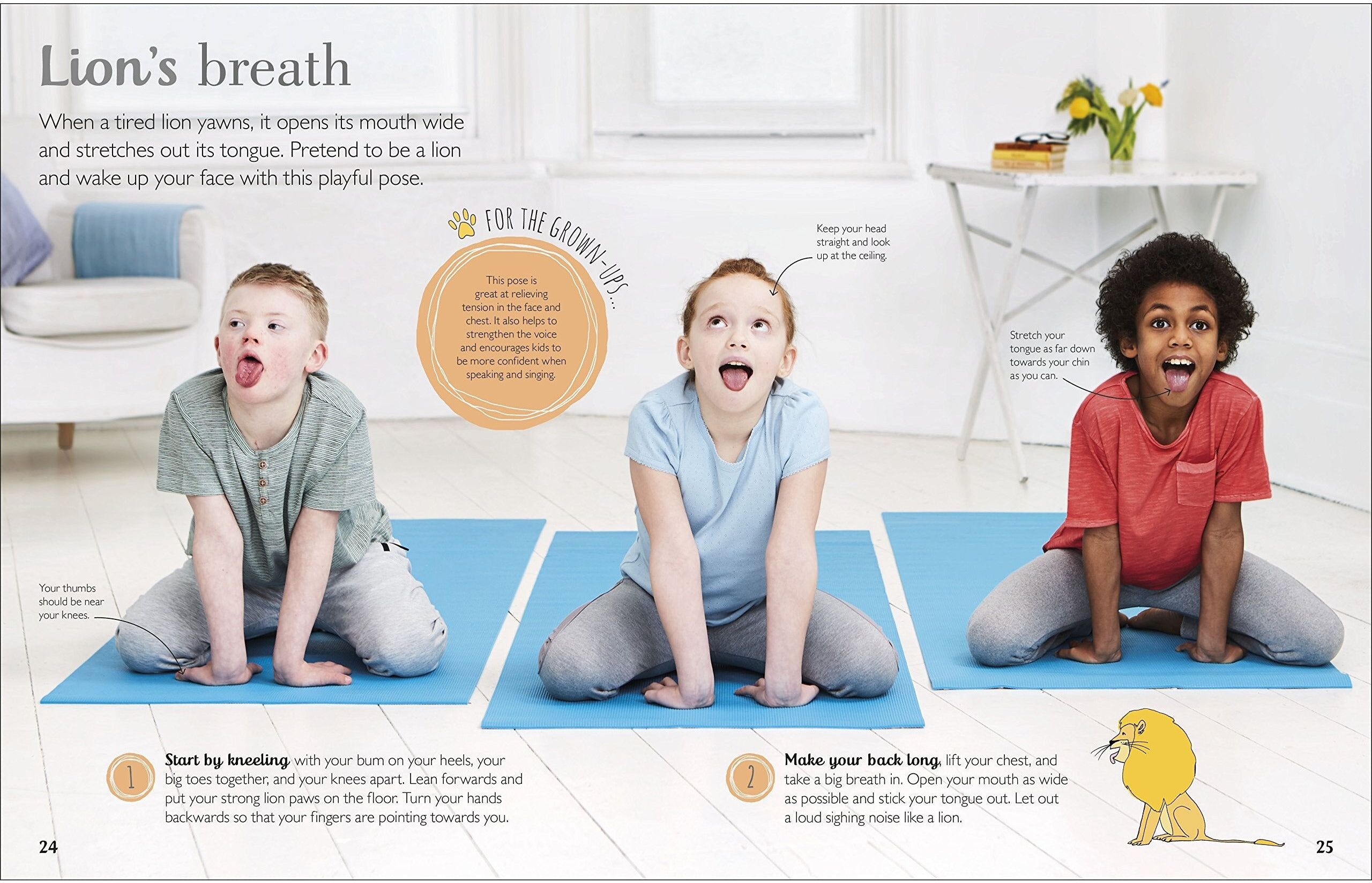
DK Yoga For Kids: Simple First Steps in Yoga and Mindfulness (Mindfulness for Kids) by Susannah HoffmanSimple first steps in yoga and mindfulness for your little one to discover!Yoga for Kids is a great way to teach your children about yoga, mindfulness, meditation and peace - whilst having fun at the same time! This all-encompassing guide includes everything you need to know about yoga for children. Encourage your child's curiosity as they explore simple variations of much-loved yoga poses, from the comfort of your own home!Dive straight in to discover:-Over 25 simple poses and yoga activities to explore-How to achieve maximum mindfulness and fun throughout each activity-Colourful illustrations and photographs showing yoga poses for kids to copy-Higher-level information allows parents to understand and ensure safety behind each poseYoga for Kids aims to teach children all about yoga and mindfulness using a strongly visual approach. Featuring exercises for the parents and children to explore independently or together, whether it's stretching into tree pose, bending into butterfly pose, succeeding with sun salutation or doing downward dog, your child can explore a series of fun and engaging yoga poses that'll keep them entertained for hours! Follow the activities presented in this yoga guide, and your little one can learn how to perfect their poses and become stronger and more confident too!The ideal yoga activity book for 6-9 year olds, this is a must-have volume for children who like moving, learning and bending! Whether you're a parent looking to encourage your child to relax, engage, focus and have fun, or you think your child may be experiencing anxiety and you're looking for a fun and mindful activity the family can enjoy together, this all-encompassing yoga book for children may be calling your name!Children's yoga expert Susannah Hoffman sets out to prove that supporting a child's positive mental health does not need to be expensive, difficult or even time-consuming.With this awe-inspiring activity book, your child can explore yoga poses that will help them de-stress and have fun at the same time!4,99 £*Shipping: 1,99 £Secure redirect to the provider
-
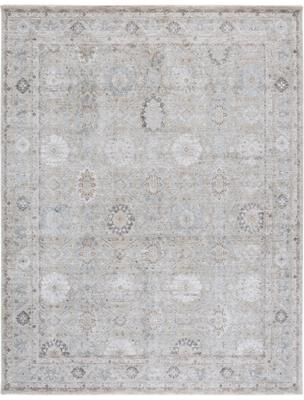
Garvee Tulip Washable Area RugBrighten your home with our delicate floral tulip rug, where vintage charm meets modern freshness. Scattered botanical motifs create a gentle, inviting vibe that complements both classic and contemporary interiors.104,49 $*Shipping: 0,00 $Secure redirect to the provider
-
Obsessive Luiza - Tulip Thong (Black)Simple-looking women's thong brought to life with sensual back flower embroidery! Why it's great:high qualitysexy transparent materialcomfortable inner liningflexible and comfortablelace tulip decoration on the backthong styleKeep in mind: hand wash only, with gentle detergentdo not iron, do not bleachProduct specifications and features: premium Obsessive qualitystretchy materialembroidered lace decoration on the backtransparent mesh material on the frontelastic strapsthong stylecolor: blackmaterial: 94% Polyamide, 6% Elastane User manual10,21 £*Shipping: 6,10 £Secure redirect to the provider
-
Is there a timer for mindfulness training, meditation, yoga, and spirituality?
There is no set timer for mindfulness training, meditation, yoga, and spirituality as it varies from person to person. Some people may find it helpful to start with short sessions, such as 5-10 minutes, and gradually increase the duration as they become more comfortable. Others may prefer longer sessions right from the start. It's important to listen to your body and mind and find a timing that works best for you. The key is to be consistent and make it a regular practice in your daily routine. **
-
Who is eating our tulip bulbs?
It is likely that squirrels or rabbits are eating your tulip bulbs. These animals are known to dig up and consume bulbs, especially during the fall and winter months when food sources are scarce. To prevent further damage, you can try using physical barriers or repellents to deter these animals from accessing your garden. **
-
Why do tulip leaves change color?
Tulip leaves change color as part of their natural growth and development process. As the tulip plant matures, the chlorophyll in the leaves breaks down, causing the green color to fade and other pigments to become more visible. This change in color is also influenced by environmental factors such as temperature, sunlight, and soil nutrients. Additionally, certain tulip varieties may naturally exhibit different leaf colors as they grow. **
-
Are tulip leaves poisonous to cats?
Yes, tulip leaves are toxic to cats. All parts of the tulip plant, including the leaves, stem, and bulb, contain toxins called tulipalin A and B, which can cause vomiting, diarrhea, drooling, and in some cases, more severe symptoms such as difficulty breathing and increased heart rate in cats. It's important to keep tulip plants out of reach of cats and seek veterinary attention if you suspect your cat has ingested any part of the plant. **
Similar search terms for Tulip
-
HCD Tulip Chair Armless ChairExperience exceptional design and quality at an unbeatable price with our versatile chair. Crafted from durable materials, this chair offers both elegance and practicality, making it suitable for both residential and commercial use.408,49 $*Shipping: 0,00 $Secure redirect to the provider
-
Obsessive Luiza - Tulip Thong (White)In pure snow white color, seemingly simple women's thong brought to life with a sensual touch by the floral embroidery on the back! Why is it good?Small mesh on the front – airy and comfortable to wearComfortable, soft fabric insert at the crotch – for extra comfortEmbroidered tulip motif on the back – exclusive, eye-catching detailStretchy straps – perfect fit for different body typesWhite color – romantic, pure, and sophisticated appearanceNote:Smaller than average sizing – choose one size largerHand washable with mild detergentDry flat in a shaded placeDo not iron, tumble dry, or bleachPackage includes:1 pc back-embroidered, snow white thongProduct features:Material composition: 94% Polyamide, 6% ElastaneColor: whiteSmall mesh on the front, embroidered tulip motif on the backWith stretchy strapsSoft, comfortable lining at the crotchCleaning recommendation: Hand wash with mild detergent. Dry flat. Do not iron, tumble dry, or bleach.User manual8,89 £*Shipping: 6,10 £Secure redirect to the provider
-
Garvee Tulip Washable Area RugBrighten your home with our delicate floral tulip rug, where vintage charm meets modern freshness. Scattered botanical motifs create a gentle, inviting vibe that complements both classic and contemporary interiors.64,99 $*Shipping: 0,00 $Secure redirect to the provider
-
How do you mix tulip directions?
To mix tulip directions in a garden or floral arrangement, you can create a dynamic and visually appealing display by combining tulips of different varieties and colors that face different directions. For example, you can plant or arrange tulips that face upwards, outwards, or downwards to add depth and interest to the overall design. Mixing tulip directions can create a more natural and organic look, mimicking how tulips grow in nature. Experimenting with different combinations of tulip directions can help create a unique and beautiful display that showcases the diversity of these stunning flowers. **
-
Is the tulip a seed plant?
Yes, the tulip is a seed plant. Tulips reproduce by producing seeds, which are contained within the flower's ovary. Once the seeds are mature, they can be collected and planted to grow new tulip plants. Therefore, the tulip is a seed plant that reproduces through the production of seeds. **
-
How can one replicate a Tulip Chair?
Replicating a Tulip Chair involves studying the original design and materials used in its construction. One can start by researching the dimensions, shape, and materials of the chair. It is important to pay attention to details such as the curved lines of the seat and base, as well as the cushioning and upholstery. Additionally, finding a skilled craftsman or manufacturer who can accurately replicate the chair is essential to achieving a high-quality reproduction. **
-
How can one recreate a Tulip Chair?
To recreate a Tulip Chair, one would need to follow these steps: 1. Obtain the necessary materials: The Tulip Chair was originally designed by Eero Saarinen in the 1950s and features a molded fiberglass or plastic seat mounted on a single stem-like pedestal base. To recreate this chair, one would need to find a similar molded seat and a metal or plastic base that mimics the shape of the original design. 2. Assemble the chair: Once the materials are obtained, the seat should be securely attached to the base using appropriate hardware. The base should be strong and stable enough to support the weight of the seat and the person sitting in it. 3. Finish the chair: The Tulip Chair typically has a smooth, glossy finish. To recreate this look, one could paint the seat and base with a high-gloss paint in a color of their choice. Alternatively, one could also choose to leave the materials in their natural state for a more minimalist look. By following these steps and paying attention to the details of the original design, one can recreate a Tulip Chair that closely resembles the iconic mid-century modern piece. **
* All prices are inclusive of VAT and, if applicable, plus shipping costs. The offer information is based on the details provided by the respective shop and is updated through automated processes. Real-time updates do not occur, so deviations can occur in individual cases. ** Note: Parts of this content were created by AI.