Buy tyj.eu ?
We are moving the project
tyj.eu .
Are you interested in purchasing the domain
tyj.eu ?
domain@kv-gmbh.de · 0541-91531010
Buy tyj.eu ?
Is there a timer for mindfulness training, meditation, yoga, and spirituality?
There is no set timer for mindfulness training, meditation, yoga, and spirituality as it varies from person to person. Some people may find it helpful to start with short sessions, such as 5-10 minutes, and gradually increase the duration as they become more comfortable. Others may prefer longer sessions right from the start. It's important to listen to your body and mind and find a timing that works best for you. The key is to be consistent and make it a regular practice in your daily routine. **
What is the lack of normative character?
The lack of normative character refers to a situation where something does not conform to established norms or standards. It can indicate a deviation from what is considered typical or acceptable behavior within a particular context. This lack of normative character can lead to confusion, conflict, or criticism as it goes against the expected or desired norms of a society or group. In essence, it signifies a departure from the normative expectations or guidelines that are commonly upheld. **


Similar search terms for Normative
Top-Angebote
Products related to Normative:
-
Inspire Select 2025 Health Smart Watch AMOLED Bluetooth Call Fitness Tracker With ECG & Wellness Monitoring pinkStay connected while monitoring your daily wellness with this advanced health smart watch designed for fitness, lifestyle tracking, and smart convenience. Featuring a stunning AMOLED smartwatch display, Bluetooth calling, ECG monitoring, and...299,96 $*Shipping: 0,00 $Secure redirect to the provider
-
Coronet The Headspace Guide to Mindfulness & Meditation by Andy Puddicombe - Paperback - 10 Minute Daily Meditation for AdultsDiscover the accessible world of mindfulness and meditation with The Headspace Guide to Mindfulness and Meditation by Andy Puddicombe. This practical guide, written in a warm and jargon-free voice, offers a science-friendly framework for complete beginners and lapsed meditators alike. Andy Puddicombe, a former Buddhist monk, distills a decade of monastic training into ten-minute daily practices that can help restore calm, clarity, and focus. By committing to just ten minutes a day, you can meaningfully change how you read and live your life. This paperback reissue of Get Some Headspace provides a clear and accessible route into modern meditation, making it easy to incorporate mindfulness into your busy schedule.2,99 £*Shipping: 2,99 £Secure redirect to the provider
-
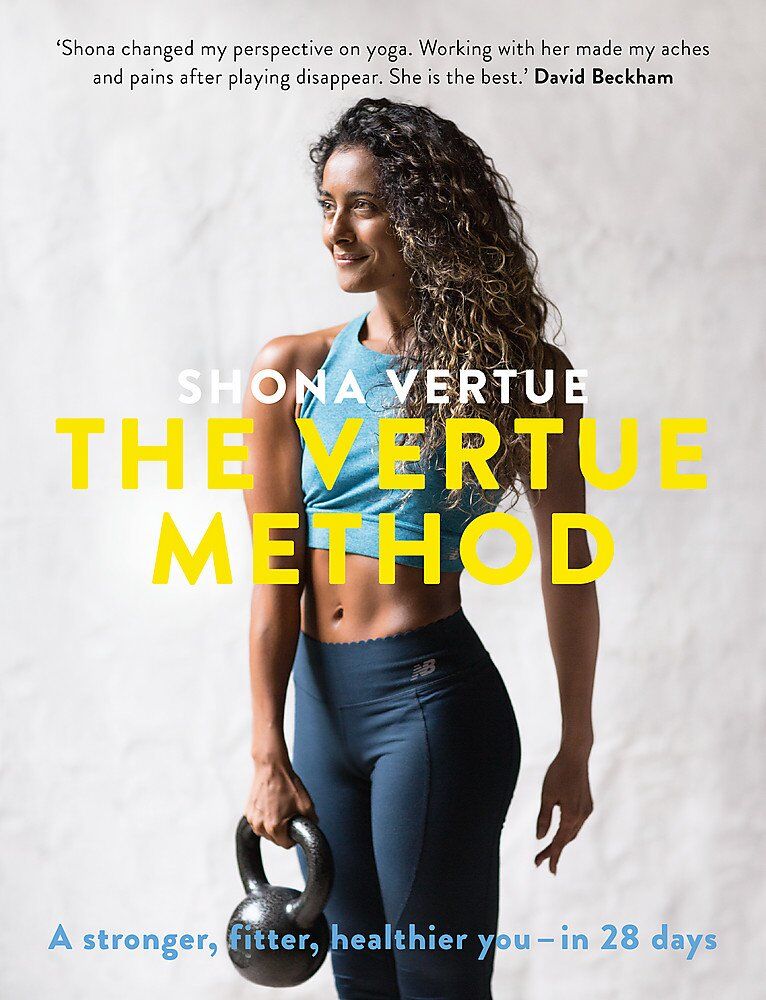
Yellow Kite The Vertue Method by Shona Vertue - Paperback - 28-Day Fitness, Yoga & Nutrition Plan - Health & Fitness BookGet fit and feel great with The Vertue Method, a 28-day plan from celebrity personal trainer and yoga teacher Shona Vertue. This practical system combines resistance training, yoga, and mindful eating to help you build strength, flexibility, and calm in body and mind. The book is designed for anyone who has tried fitness fads without lasting results, offering a realistic and sustainable route to a healthier you. Shona Vertue's expertise is distilled into a clear, structured 28-day plan that can be followed at home or in the gym. The book's signature 'three-in-one' approach combines weighted resistance training to build lean muscle and boost metabolism, yoga sequences to improve flexibility and lengthen tight muscles, and mindful eating to promote a balanced diet. With The Vertue Method, you can achieve a stronger, fitter, and healthier you in just 28 days.13,99 £*Shipping: 2,99 £Secure redirect to the provider
-
Inspired Deals Natural Amethyst Bracelet Crystal Healing Stretch Purple Gemstone Bracelet For Meditation And Mindfulness Natural Amethyst Bracelet Crystal Healing Stretch Purple Gemstone Bracelet For Meditation And MindfulnessExperience a sense of calm while adding timeless beauty to your everyday style with this Amethyst Bracelet. Designed for anyone who values meaningful jewelry, this elegant stretch bracelet features genuine purple gemstone beads that pair...32,97 $*Shipping: 0,00 $Secure redirect to the provider



-
What is the difference between descriptive and normative ethics?
Descriptive ethics is the study of what people believe to be right or wrong, without making judgments about those beliefs. It describes the moral beliefs and practices of individuals or groups. On the other hand, normative ethics is concerned with determining what is morally right or wrong, good or bad. It seeks to establish ethical principles or theories that can guide individuals in making moral decisions. In essence, descriptive ethics describes existing moral beliefs, while normative ethics prescribes what ought to be considered morally right or wrong. **
-
What is the difference between appellative, descriptive, and normative?
Appellative refers to names or labels that are used to identify or refer to something, such as a person or object. Descriptive refers to statements or judgments that describe the characteristics or qualities of something. Normative refers to statements or judgments that prescribe or dictate what should be done based on a standard or norm. In summary, appellative is about naming, descriptive is about describing, and normative is about prescribing or dictating behavior. **
-
How do you distinguish between normative and descriptive statements?
Normative statements express an opinion or value judgment about what should or ought to be. They are subjective and cannot be proven true or false. Descriptive statements, on the other hand, describe the way things are or the way things are believed to be. They are objective and can be tested and proven true or false through observation and evidence. In summary, normative statements express opinions about what should be, while descriptive statements describe what is. **
-
What are authority arguments, factual arguments, and normative arguments?
Authority arguments are based on the expertise or credibility of the source making the argument. They rely on the reputation or qualifications of the person or organization presenting the information. Factual arguments are based on evidence, data, and verifiable information. They rely on the accuracy and truthfulness of the information presented to support a particular point of view. Normative arguments are based on values, beliefs, and moral principles. They rely on what is considered to be right or wrong, good or bad, and are often used to make ethical or moral judgments. **


What are meditation and mindfulness?
Meditation is a practice that involves focusing the mind on a particular object, thought, or activity to train attention and awareness, and achieve a mentally clear and emotionally calm state. Mindfulness is a type of meditation that involves paying attention to the present moment without judgment. It involves being fully aware of your thoughts, feelings, bodily sensations, and surrounding environment. Both meditation and mindfulness have been shown to have numerous benefits for mental and physical well-being, including reducing stress, improving focus, and enhancing overall quality of life. **
What are the differences between normative, descriptive, and evaluative linguistics?
Normative linguistics focuses on prescribing rules and standards for language use, often based on traditional grammar and usage. Descriptive linguistics, on the other hand, aims to objectively describe and analyze how language is actually used by speakers and how it functions in different contexts. Evaluative linguistics involves making judgments about language use and its effectiveness, often considering factors such as clarity, appropriateness, and impact. While normative linguistics sets rules, descriptive linguistics observes language use, and evaluative linguistics assesses language in use. **
Top-Angebote
Products related to Normative:
-
Bioserum Quince Normative Syrup 250 mlNutrition and Supplements Fatty acids and omegas Bioserum Quince Normative Syrup 250 ml Children under 8 years old: Take 5 ml. 3 times a day. Over 8 years old: Take 10 ml. 3 times a day. This product is beneficial to human health.11,41 £*Shipping: 3,99 £Secure redirect to the provider
-
DK Yoga For Kids: Simple First Steps in Yoga and Mindfulness (Mindfulness for Kids) by Susannah HoffmanSimple first steps in yoga and mindfulness for your little one to discover!Yoga for Kids is a great way to teach your children about yoga, mindfulness, meditation and peace - whilst having fun at the same time! This all-encompassing guide includes everything you need to know about yoga for children. Encourage your child's curiosity as they explore simple variations of much-loved yoga poses, from the comfort of your own home!Dive straight in to discover:-Over 25 simple poses and yoga activities to explore-How to achieve maximum mindfulness and fun throughout each activity-Colourful illustrations and photographs showing yoga poses for kids to copy-Higher-level information allows parents to understand and ensure safety behind each poseYoga for Kids aims to teach children all about yoga and mindfulness using a strongly visual approach. Featuring exercises for the parents and children to explore independently or together, whether it's stretching into tree pose, bending into butterfly pose, succeeding with sun salutation or doing downward dog, your child can explore a series of fun and engaging yoga poses that'll keep them entertained for hours! Follow the activities presented in this yoga guide, and your little one can learn how to perfect their poses and become stronger and more confident too!The ideal yoga activity book for 6-9 year olds, this is a must-have volume for children who like moving, learning and bending! Whether you're a parent looking to encourage your child to relax, engage, focus and have fun, or you think your child may be experiencing anxiety and you're looking for a fun and mindful activity the family can enjoy together, this all-encompassing yoga book for children may be calling your name!Children's yoga expert Susannah Hoffman sets out to prove that supporting a child's positive mental health does not need to be expensive, difficult or even time-consuming.With this awe-inspiring activity book, your child can explore yoga poses that will help them de-stress and have fun at the same time!4,99 £*Shipping: 1,99 £Secure redirect to the provider
-
Inspire Select 2025 Health Smart Watch AMOLED Bluetooth Call Fitness Tracker With ECG & Wellness Monitoring pinkStay connected while monitoring your daily wellness with this advanced health smart watch designed for fitness, lifestyle tracking, and smart convenience. Featuring a stunning AMOLED smartwatch display, Bluetooth calling, ECG monitoring, and...299,96 $*Shipping: 0,00 $Secure redirect to the provider
-
Coronet The Headspace Guide to Mindfulness & Meditation by Andy Puddicombe - Paperback - 10 Minute Daily Meditation for AdultsDiscover the accessible world of mindfulness and meditation with The Headspace Guide to Mindfulness and Meditation by Andy Puddicombe. This practical guide, written in a warm and jargon-free voice, offers a science-friendly framework for complete beginners and lapsed meditators alike. Andy Puddicombe, a former Buddhist monk, distills a decade of monastic training into ten-minute daily practices that can help restore calm, clarity, and focus. By committing to just ten minutes a day, you can meaningfully change how you read and live your life. This paperback reissue of Get Some Headspace provides a clear and accessible route into modern meditation, making it easy to incorporate mindfulness into your busy schedule.2,99 £*Shipping: 2,99 £Secure redirect to the provider
-
Is there a timer for mindfulness training, meditation, yoga, and spirituality?
There is no set timer for mindfulness training, meditation, yoga, and spirituality as it varies from person to person. Some people may find it helpful to start with short sessions, such as 5-10 minutes, and gradually increase the duration as they become more comfortable. Others may prefer longer sessions right from the start. It's important to listen to your body and mind and find a timing that works best for you. The key is to be consistent and make it a regular practice in your daily routine. **
-
What is the lack of normative character?
The lack of normative character refers to a situation where something does not conform to established norms or standards. It can indicate a deviation from what is considered typical or acceptable behavior within a particular context. This lack of normative character can lead to confusion, conflict, or criticism as it goes against the expected or desired norms of a society or group. In essence, it signifies a departure from the normative expectations or guidelines that are commonly upheld. **
-
What is the difference between descriptive and normative ethics?
Descriptive ethics is the study of what people believe to be right or wrong, without making judgments about those beliefs. It describes the moral beliefs and practices of individuals or groups. On the other hand, normative ethics is concerned with determining what is morally right or wrong, good or bad. It seeks to establish ethical principles or theories that can guide individuals in making moral decisions. In essence, descriptive ethics describes existing moral beliefs, while normative ethics prescribes what ought to be considered morally right or wrong. **
-
What is the difference between appellative, descriptive, and normative?
Appellative refers to names or labels that are used to identify or refer to something, such as a person or object. Descriptive refers to statements or judgments that describe the characteristics or qualities of something. Normative refers to statements or judgments that prescribe or dictate what should be done based on a standard or norm. In summary, appellative is about naming, descriptive is about describing, and normative is about prescribing or dictating behavior. **
Similar search terms for Normative
-
Yellow Kite The Vertue Method by Shona Vertue - Paperback - 28-Day Fitness, Yoga & Nutrition Plan - Health & Fitness BookGet fit and feel great with The Vertue Method, a 28-day plan from celebrity personal trainer and yoga teacher Shona Vertue. This practical system combines resistance training, yoga, and mindful eating to help you build strength, flexibility, and calm in body and mind. The book is designed for anyone who has tried fitness fads without lasting results, offering a realistic and sustainable route to a healthier you. Shona Vertue's expertise is distilled into a clear, structured 28-day plan that can be followed at home or in the gym. The book's signature 'three-in-one' approach combines weighted resistance training to build lean muscle and boost metabolism, yoga sequences to improve flexibility and lengthen tight muscles, and mindful eating to promote a balanced diet. With The Vertue Method, you can achieve a stronger, fitter, and healthier you in just 28 days.13,99 £*Shipping: 2,99 £Secure redirect to the provider
-
Inspired Deals Natural Amethyst Bracelet Crystal Healing Stretch Purple Gemstone Bracelet For Meditation And Mindfulness Natural Amethyst Bracelet Crystal Healing Stretch Purple Gemstone Bracelet For Meditation And MindfulnessExperience a sense of calm while adding timeless beauty to your everyday style with this Amethyst Bracelet. Designed for anyone who values meaningful jewelry, this elegant stretch bracelet features genuine purple gemstone beads that pair...32,97 $*Shipping: 0,00 $Secure redirect to the provider
-
Inspire Select 2025 Health Smart Watch AMOLED Bluetooth Call Fitness Tracker With ECG & Wellness Monitoring blueStay connected while monitoring your daily wellness with this advanced health smart watch designed for fitness, lifestyle tracking, and smart convenience. Featuring a stunning AMOLED smartwatch display, Bluetooth calling, ECG monitoring, and...299,95 $*Shipping: 0,00 $Secure redirect to the provider
-
Inspire Select 2025 Health Smart Watch AMOLED Bluetooth Call Fitness Tracker With ECG & Wellness Monitoring blackStay connected while monitoring your daily wellness with this advanced health smart watch designed for fitness, lifestyle tracking, and smart convenience. Featuring a stunning AMOLED smartwatch display, Bluetooth calling, ECG monitoring, and...288,98 $*Shipping: 0,00 $Secure redirect to the provider
-
How do you distinguish between normative and descriptive statements?
Normative statements express an opinion or value judgment about what should or ought to be. They are subjective and cannot be proven true or false. Descriptive statements, on the other hand, describe the way things are or the way things are believed to be. They are objective and can be tested and proven true or false through observation and evidence. In summary, normative statements express opinions about what should be, while descriptive statements describe what is. **
-
What are authority arguments, factual arguments, and normative arguments?
Authority arguments are based on the expertise or credibility of the source making the argument. They rely on the reputation or qualifications of the person or organization presenting the information. Factual arguments are based on evidence, data, and verifiable information. They rely on the accuracy and truthfulness of the information presented to support a particular point of view. Normative arguments are based on values, beliefs, and moral principles. They rely on what is considered to be right or wrong, good or bad, and are often used to make ethical or moral judgments. **
-
What are meditation and mindfulness?
Meditation is a practice that involves focusing the mind on a particular object, thought, or activity to train attention and awareness, and achieve a mentally clear and emotionally calm state. Mindfulness is a type of meditation that involves paying attention to the present moment without judgment. It involves being fully aware of your thoughts, feelings, bodily sensations, and surrounding environment. Both meditation and mindfulness have been shown to have numerous benefits for mental and physical well-being, including reducing stress, improving focus, and enhancing overall quality of life. **
-
What are the differences between normative, descriptive, and evaluative linguistics?
Normative linguistics focuses on prescribing rules and standards for language use, often based on traditional grammar and usage. Descriptive linguistics, on the other hand, aims to objectively describe and analyze how language is actually used by speakers and how it functions in different contexts. Evaluative linguistics involves making judgments about language use and its effectiveness, often considering factors such as clarity, appropriateness, and impact. While normative linguistics sets rules, descriptive linguistics observes language use, and evaluative linguistics assesses language in use. **
* All prices are inclusive of VAT and, if applicable, plus shipping costs. The offer information is based on the details provided by the respective shop and is updated through automated processes. Real-time updates do not occur, so deviations can occur in individual cases. ** Note: Parts of this content were created by AI.